Right foam for the assembly
We match open-cell or closed-cell to the location, moisture risk, and performance goals. Closed-cell adds rigidity and lower permeability; open-cell can be useful for certain interior cavities where drying potential matters.
A real air-sealing strategy
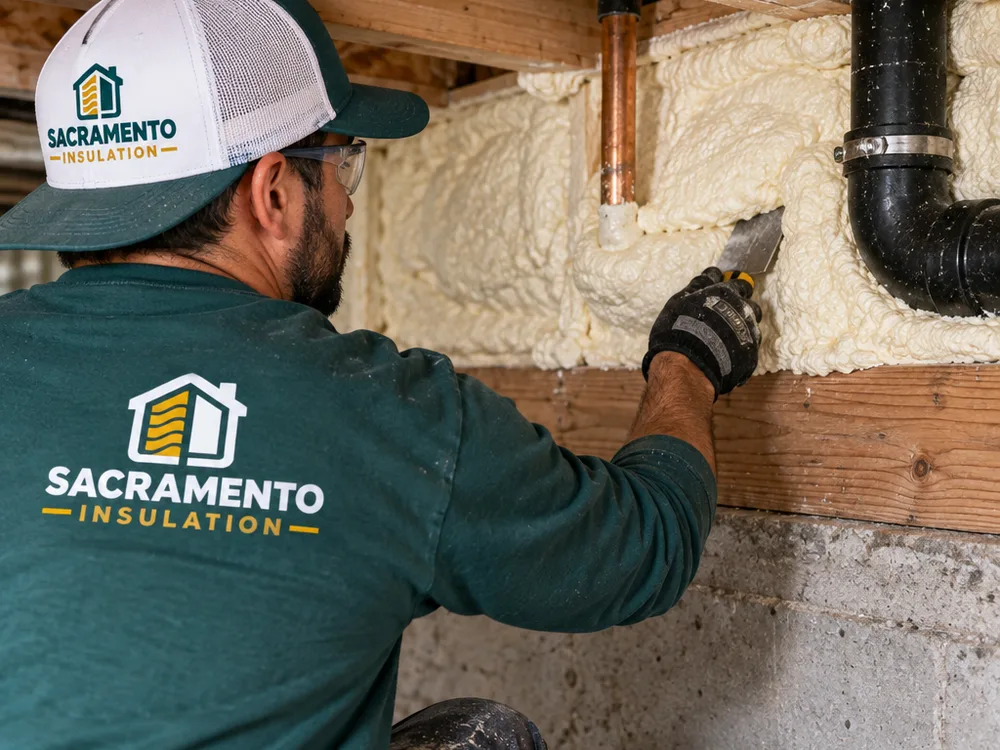
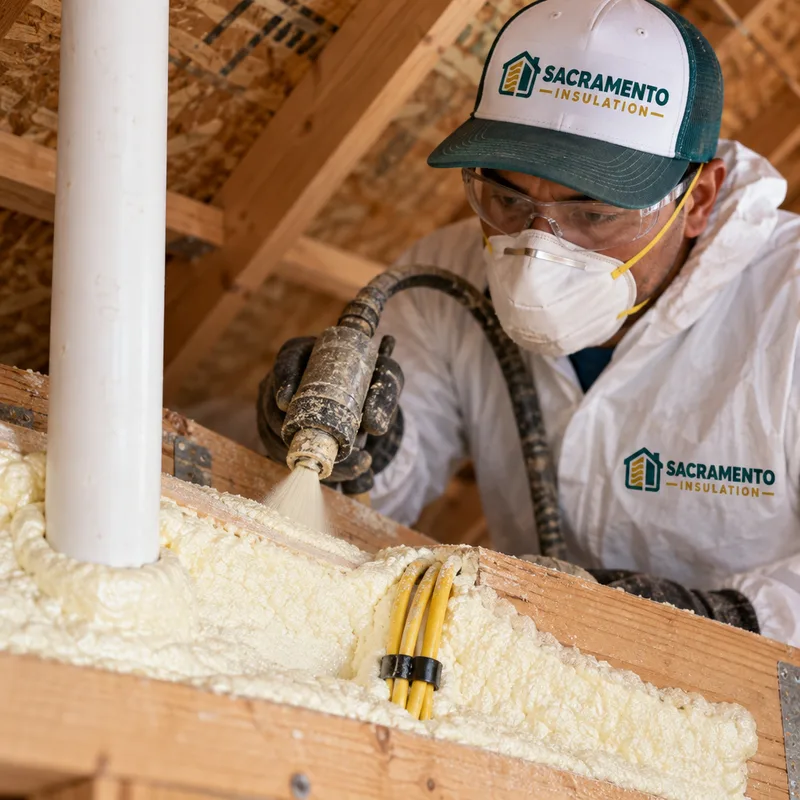
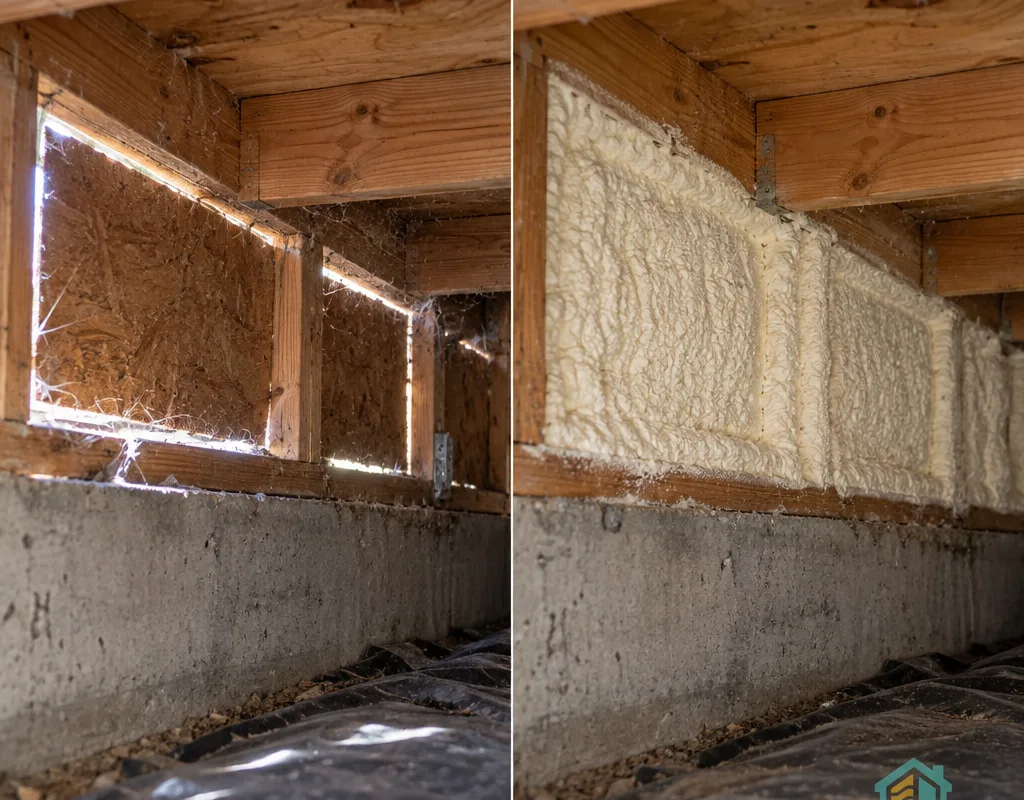
We focus on the paths air actually takes: top plates, attic penetrations, can lights, plumbing stacks, chaseways, and rim-joist bays. The goal is continuous coverage, not random spot filling.
Clean setup and controlled spraying
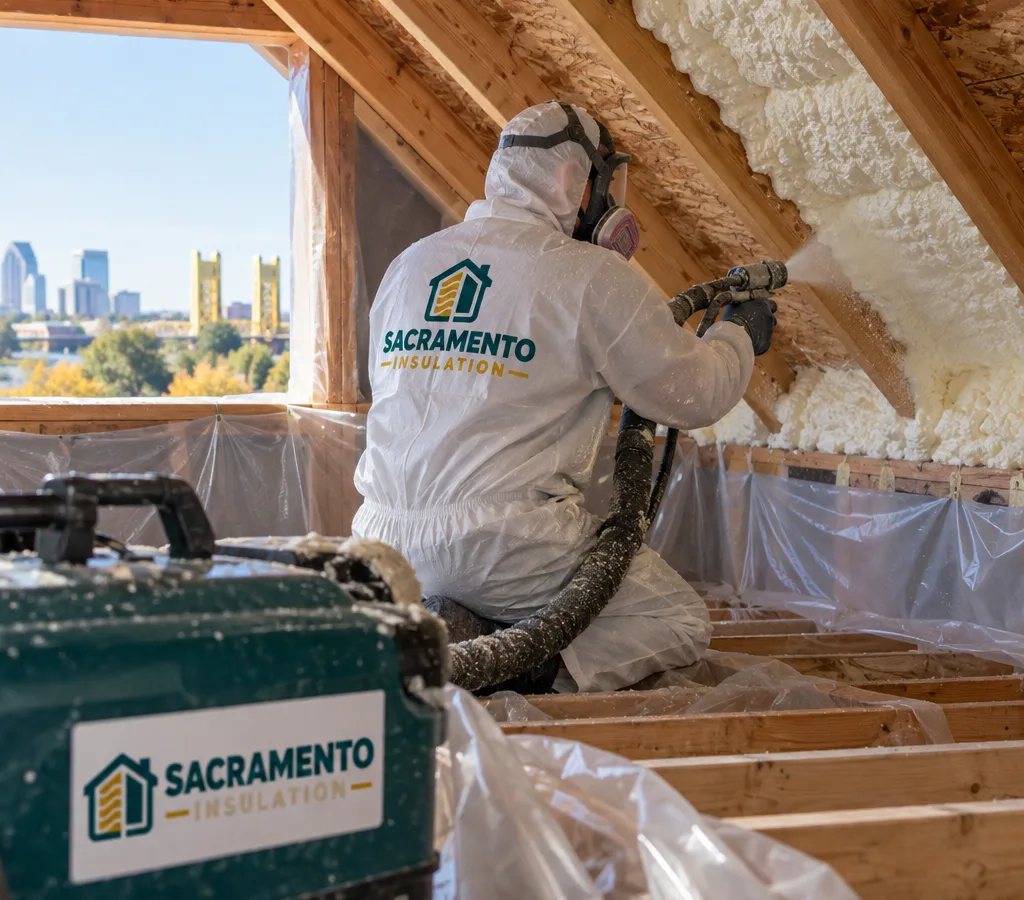
Masking, containment, and jobsite protection are part of the work. We plan staging so overspray risk is minimized and access stays safe.
Clear scope and thickness targets
Depth and coverage drive results and pricing. Your quote should state where foam goes, how much, and what prep or removal is included.
Attention to code-required barriers
Foam placement can trigger ignition barrier or thermal barrier requirements depending on location and use of the space. We call this out during the walkthrough so it's not a surprise later.